
A Thoughtful Approach
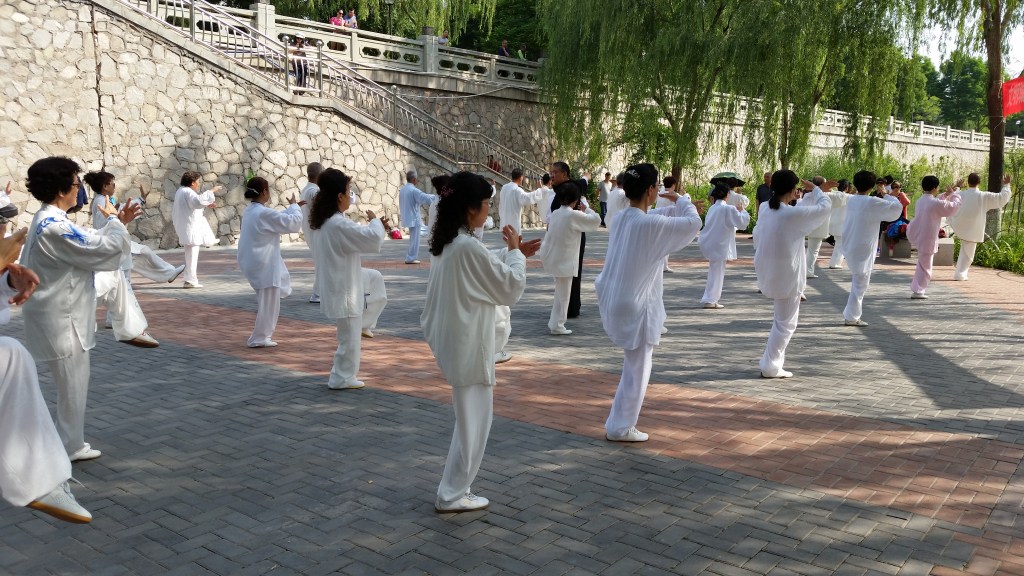
Tai Chi is known for its flowing, low-impact movements, making it an excellent practice for strengthening and protecting the knees. By emphasizing balance and gentle transitions, it provides a supportive environment for joint health—even for those with prior injuries.
Over the last decade, approximately 400 students have taken my classes, and only one has reported knee discomfort while practicing. While it’s possible that others may have experienced similar issues without reporting them, the feedback I’ve received suggests that experiencing knee discomfort is rare in my classes. When issues do arise, they are often influenced by unique body mechanics or external factors, such as the type of surface or footwear used during practice.
Tai Chi’s gentle, flowing movements—characterized by rising and sinking motions—naturally reduce stress on the knees. We are reminded in the Tai Chi Classics,
Remember, when moving,
there is no part that does not move
Rising and sinking, allows the joints to absorb stress evenly. Rising involves gently straightening (or extending) the legs, while sinking (or flexing the legs) engages the muscles around the knees, supporting the joint and preventing strain. This dynamic balance between these two continual movements throughout the form is key to maintaining knee health.
For example, in the Yang style, practitioners begin with legs straight, then sink and shift weight dynamically, which allows for a balanced distribution of stress. This contrasts with styles or techniques that maintain a consistently low stance without rising or sinking, which may increase the strain on the knees. When the subject of knees comes up, I often think of practitioners from other Tai Chi styles who experience knee issues, and I suspect that prolonged low stances without incorporating rising and sinking movements may contribute to the problem. Similarly, the classics’ advice to ‘move like a great river’ underscores the importance of maintaining fluidity throughout the form, avoiding static or prolonged stances that can strain the joints.
From my personal perspective, Tai Chi, when performed with proper rising and sinking technique, should either maintain or improve knee health. Despite a likely ACL tear in my left knee at age 17, I’ve been able to practice Tai Chi for several decades without difficulty. I can still squat, sit cross-legged, or sit on my knees and rise with ease—testaments to the benefits of this practice.
Technique Matters
A key aspect of protecting your knees during Tai Chi is proper balance. For instance, when your weight is on one leg, such as the left, you need to have 100% of your weight on that leg before moving the other leg. If you try to move too early, without being centered on that leg or if your knee extends too far forward, obscuring the toe, you risk placing undue strain on the joint. Centering your weight over your foot and maintaining balance are essential to safeguarding your knees.
Dietary Factors in Joint Health
While Tai Chi strengthens and protects the knees through movement, nutrition plays a complementary role by reducing inflammation and maintaining joint health. Processed foods high in sugar and unhealthy fats can exacerbate joint swelling and pain, while nutrient-rich whole foods, such as vegetables, fruits, whole grains, and lean proteins, support overall joint health. Combining Tai Chi with a healthy diet offers a holistic approach to preserving mobility and alleviating discomfort.
To reduce these risks, avoiding processed foods and adopting a diet rich in whole foods is crucial. Vegetables, fruits, whole grains, lean proteins, and healthy fats are associated with lower inflammation levels and improved joint health. A balanced diet complements the benefits of Tai Chi, creating a holistic approach to maintaining knee and joint health.
Conclusion
Whether you’re looking to alleviate knee discomfort, improve flexibility, or simply embrace a practice that nurtures your overall well-being, Tai Chi offers a gentle yet powerful path forward. Start with a few minutes a day, focusing on proper balance and technique, and see how this timeless art can transform the flexibility in your joints. Remember, your journey to healthier knees begins with a single, deliberate step. Combined with a healthy diet, it offers a powerful pathway to healthier joints.
While accidents, injuries, or genetic factors may influence knee health, practicing Tai Chi with proper technique provides significant benefits, as supported by both personal experience and scientific studies. As you embrace the practice of Tai Chi, prioritize coordinating the rising and sinking movements of the legs with the upper body, and consider dietary adjustments to optimize your overall joint health.
Remember, Tai Chi is a journey, not a destination. A journey of self-discovery, of inner peace. And along that path, your knees will thank you.
This blog post was based on discussion during the October 23, 2024 Zoom Tai Chi class.
 Redding Tai Chi
Leave a comment